

The Skill Separating the Employed From the Unemployable
The one thing you need to know in AI today | AI-Ready CMO


Every decade or two, a fundamental innovation completely changes how we work or even what “work” means. Your grandparents (or parents, if you are old like me) had to learn how to replace typewriters with a word processor, ledger sheets with Excel, and manila envelopes with email. Not everyone was ready or able to make the transition.
A similar change is happening again, right now. It is even more disruptive, and I believe it will be harder for many to adjust to.
I am not talking about AI in general. Chatting with a model, as most people do, is just the bottom rung of this ladder. I am talking about agents and, more specifically, about desktop agents. They are applications that have access to and can work with local files on your computer. If you need a quarterly analysis of ad performance, you just point the agent to the relevant Excel files and it will spit out an interactive, fancy dashboard in two minutes. If you need to prepare for a call, you simply ask the app to write a brief for you based on the last three call transcripts and your sales deck. You don’t need to know how to code, how to read code, or know that code exists at all.
A desktop agent is not something you chat with. It is something that does the work for you.
The first one, Claude Cowork, was released just 10 weeks ago. We covered it, saying “if this is not AGI — basically superhuman intelligence — then I don’t know what that word means anymore.” OpenClaw, the first always-on general-purpose agent, went live two weeks later, and we said “when something captures that much attention that quickly, it usually means something is shifting underneath. This is the kind of story that will be on the front page of the Wall Street Journal by the weekend.” (Guess what, we were right.)
We talk to a lot of senior leaders, both in marketing and in the wider corporate world, and everyone is saying the same thing: they want their teams to start using desktop agents right now. Not next year, not in H2, but today.
I’ll be as blunt as possible here: we see this as the “Excel of 2026”. Lotus 1-2-3, the spreadsheet that defined the PC era, came out in 1983. Excel for Windows, four years later. By 1988, anyone not using them at work was unemployable. The productivity gains from moving away from paper ledger sheets were so obvious that spreadsheet software literacy became mandatory.
Working with agents is not something you can learn from a book. It is a skill you learn as you do it. If you have just half an hour this week, try any of these options:
Claude Cowork
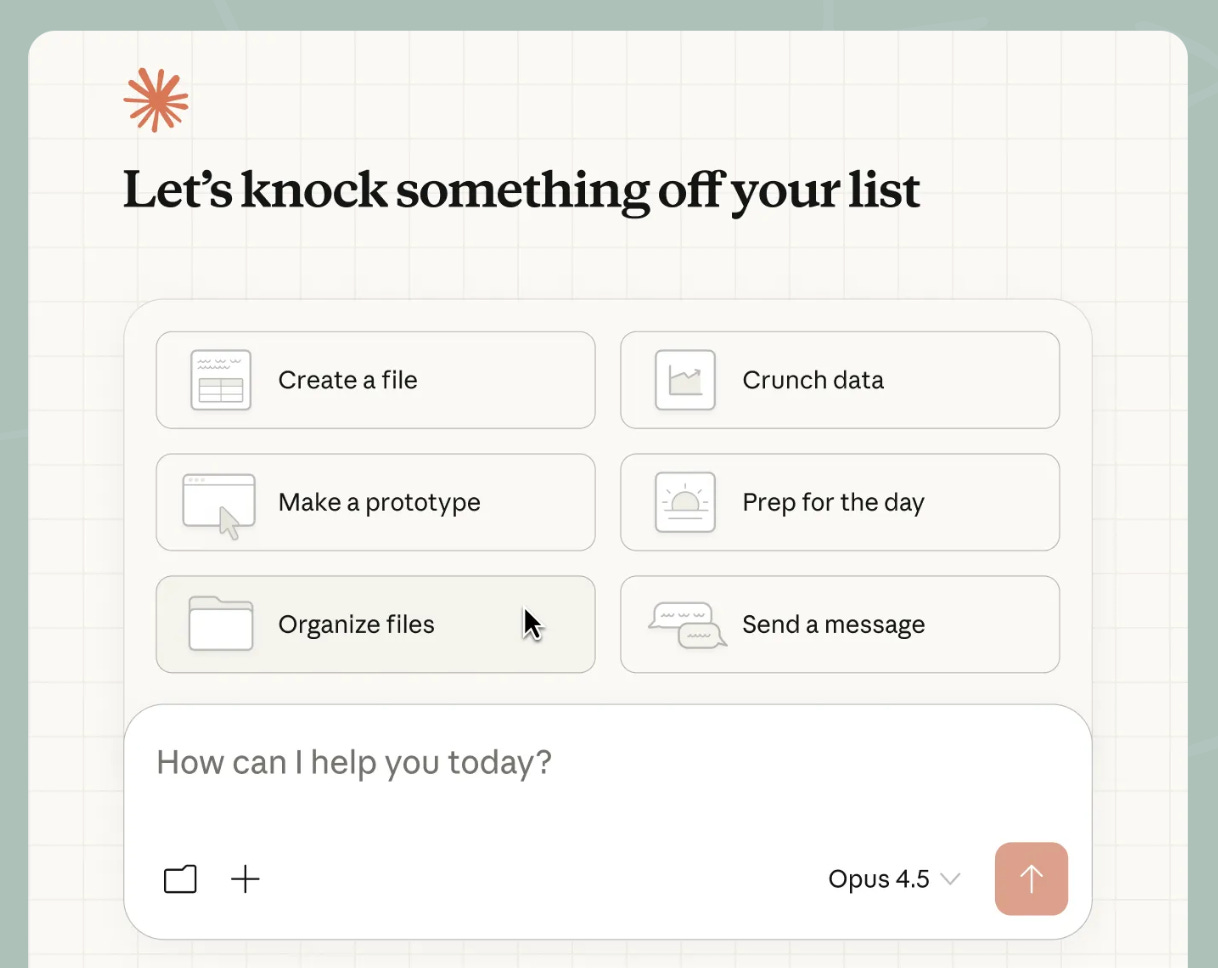
The first desktop agent. Requires a $20 / month subscription ($17 if paid annually), now available both for Mac and Windows. The strongest overall performer offering incredible flexibility and smarts.
Manus
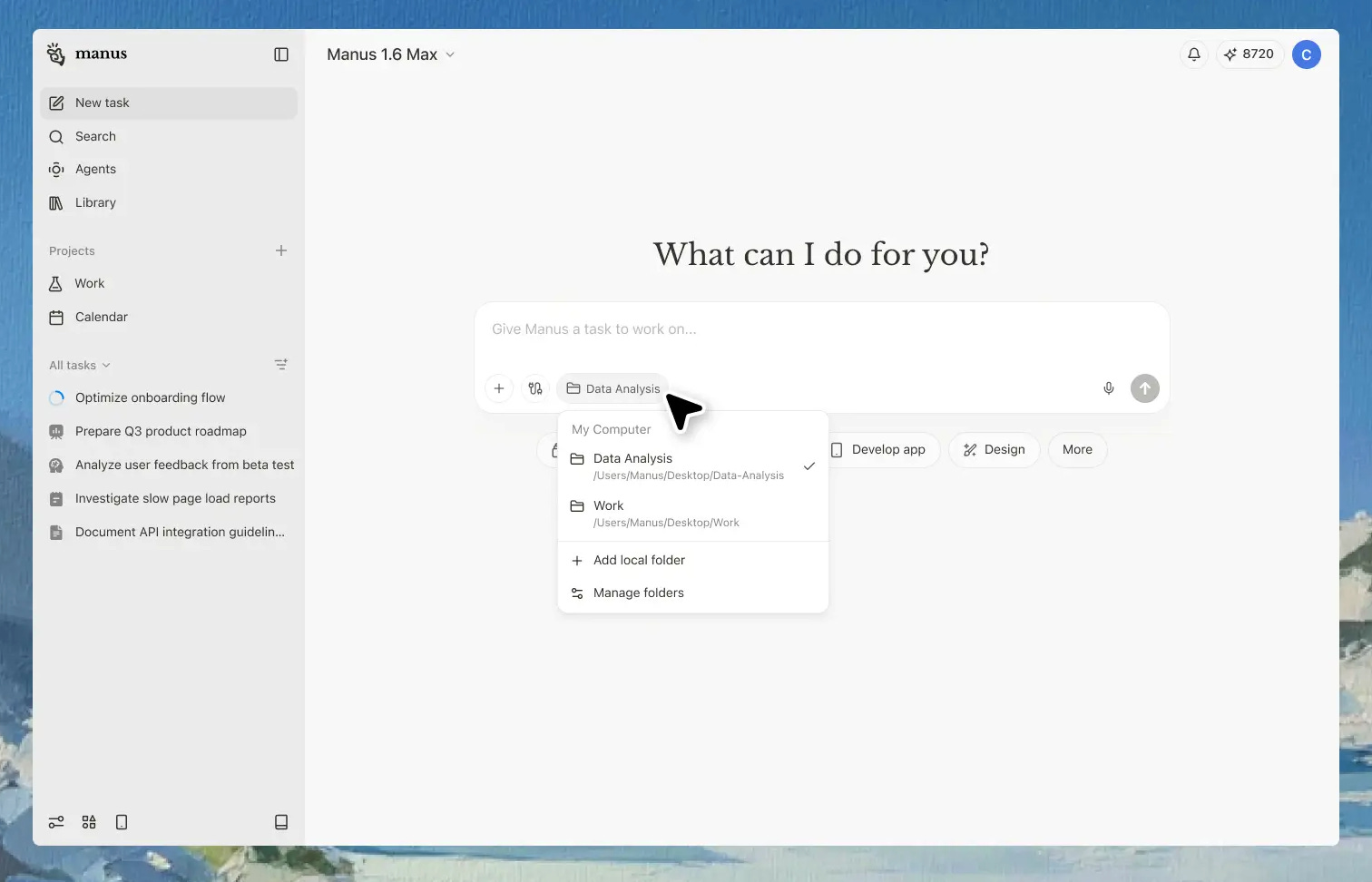
Acquired by Meta a few months ago, Manus is a fantastic agent for marketers with built-in Meta Ads dashboard integration and Instagram content management tools. The cheapest paid plan is $34 per month.
MiniMax Agent
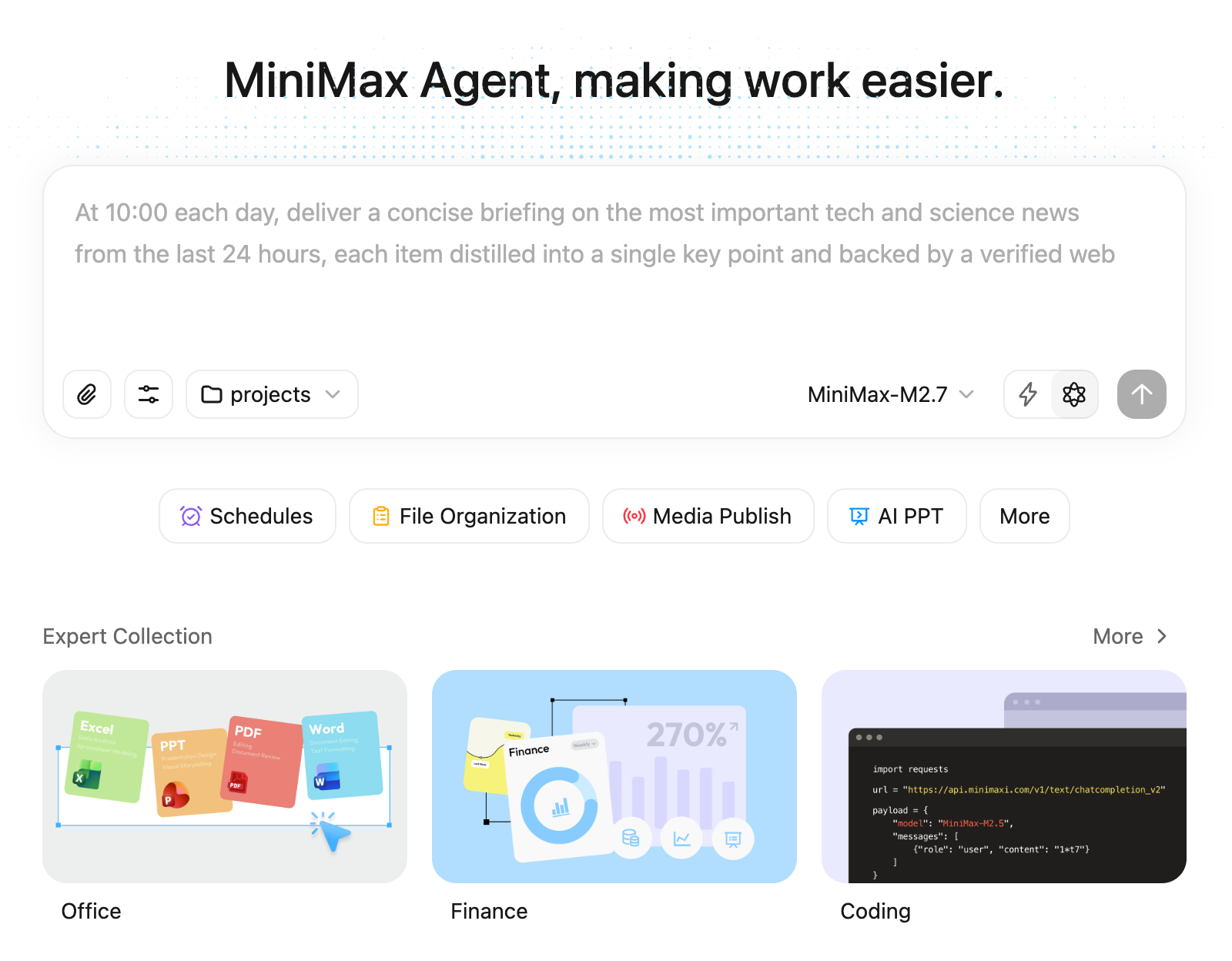
A capable alternative from one of the fastest-moving teams in AI. It costs $16 per month on the cheapest plan, and you get some free credits to try the app first.
Accio Work
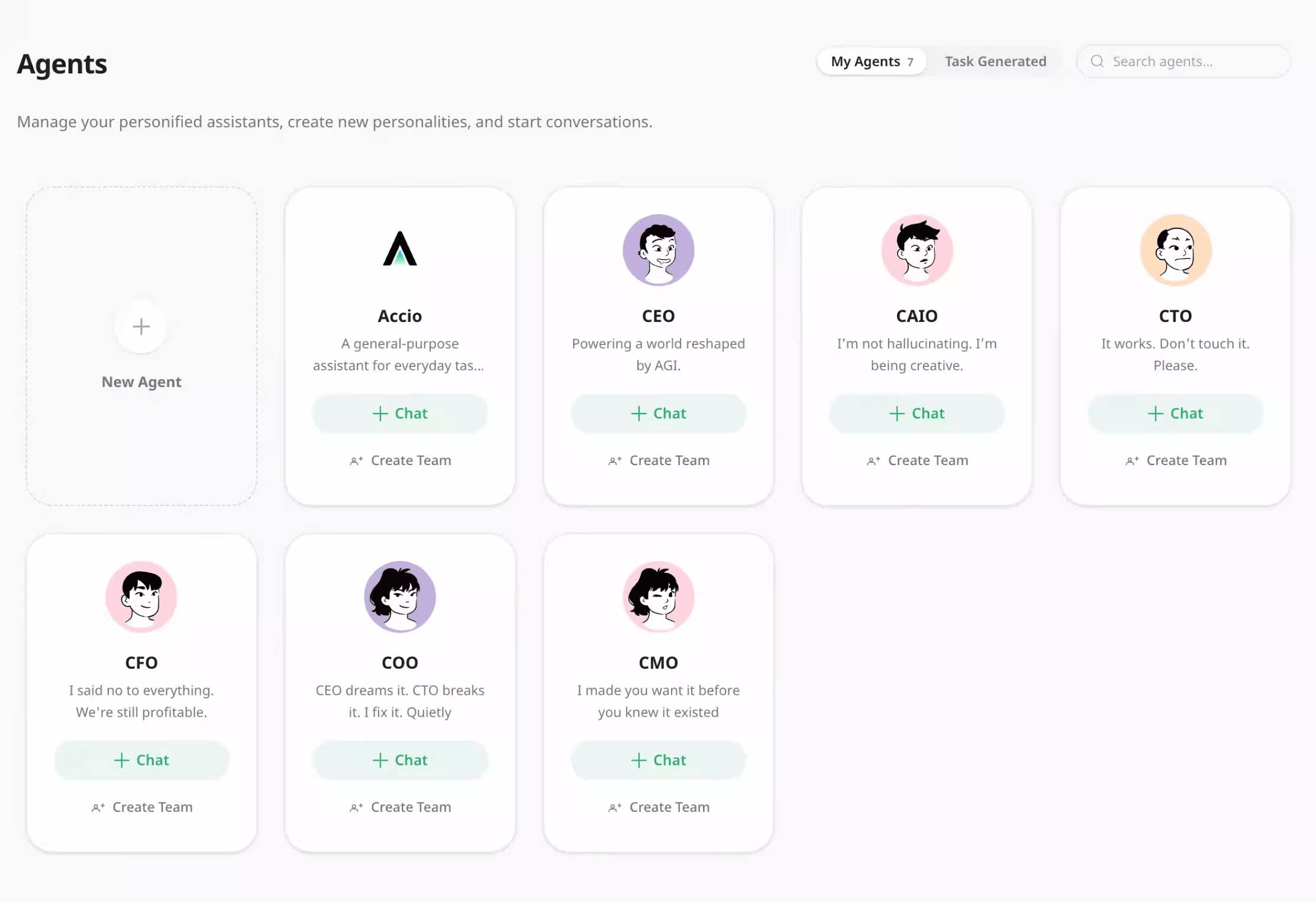
A brand new desktop agent from Alibaba, just released yesterday. It targets SMEs with features like a built-in Shopify store manager. Completely free for the next two weeks. While it uses a less capable model, in some respects it is the most advanced. It lets you “employ” multiple agents with their own areas of responsibility, just like you would build your team at a company. You can even write their job descriptions!
Cloud agents
These agents don’t live on your computer; they are hosted online instead. The main advantage, of course, is that they are always-on. The biggest drawback is that they don’t automatically have access to your files unless you upload them manually.
Perplexity Computer is probably the most advanced cloud agent, exceptionally good at research tasks. $17 / month for the Pro plan.
Twin is positioning itself as a “company builder” agent with skills automating replies to inbound leads and monitoring the social media accounts of competitors. $20 per month, but they have a generous free trial.
Lindy is an agent focused on personal assistant tasks. You can even talk to her on iMessage! However, it costs $49 per month.
Kimi Claw, built on Openclaw. Using it requires a bit more technical skills, and it is not cheap (you need the $31 / month plan). We fully expect Kimi to release a more user-friendly desktop app soon.
Yes, today’s newsletter was a bit different. No “one thing you need to know in AI today” — but we feel so strongly about this topic, we wanted to make sure we put it on your radar.
Go and try one or two agents this week. Seriously—your career might depend on it.
— Torsten and Peter
Share with a colleague. Earn paid membership months.
3 AI Marketing Tools To Try Today
Adwisely
Adwisely uses AI to automate Facebook and Google ad buying, optimizing bids, audiences, and budget allocation in real time. Use it to replace the need for a dedicated media buyer and let the algorithm handle campaign optimization.
Crayo
Crayo is an AI short-form video creator that generates clips with auto-captions, backgrounds, and music optimized for TikTok, Reels, and Shorts. Use it to produce scroll-stopping vertical video at scale without touching a timeline editor.
Fathom
Fathom is a free AI notetaker that records, transcribes, and summarizes Zoom, Google Meet, and Teams meetings automatically. Use it to capture every meeting with action items so nothing falls through the cracks.
Paid members, your toolkit and this month’s report are below.