



Can you do brainstorming with an AI? Can AI write creative copy? Can AI influencers be as “authentic” as human ones? Or is this just a peak AI efficiency game we are seeing?
We don’t know, but the signs are clear: AI is more capable than ever of creating truly creative content, previously a territory reserved only for humans.
As we approach the end of Q1 2025, I don’t think we have ANYONE left who questions this statement: “AI makes marketing more efficient with faster, better, and cheaper content production and marketing intelligence.”
But can we say the same for this one: “AI creates as good if not better creatives than humans, sparking true human emotions in those consuming this content.”
Because this is what creativity is. It sparks emotion. A great story, a sharply written copy, and an inspiring ad all share one thing: they make us feel something. Previously, only humans made other humans feel something.
Can AI replicate this? If yes, can it do better? Or at least, at a bare minimum, the same?
This week, we see examples of products willing to bet on the YES.
Us? We don’t know, but let us ask you this: holding a Mac, driving a sports car, or wearing a nice dress, do they make you feel something because you saw their marketing before or because they spark that feeling in their innate nature, as they are? It’s the chicken and the egg, right? We feel the same about AI stepping up as a creative partner in the AI marketing game.
AI-Produced UGC Videos (No Actors Needed)
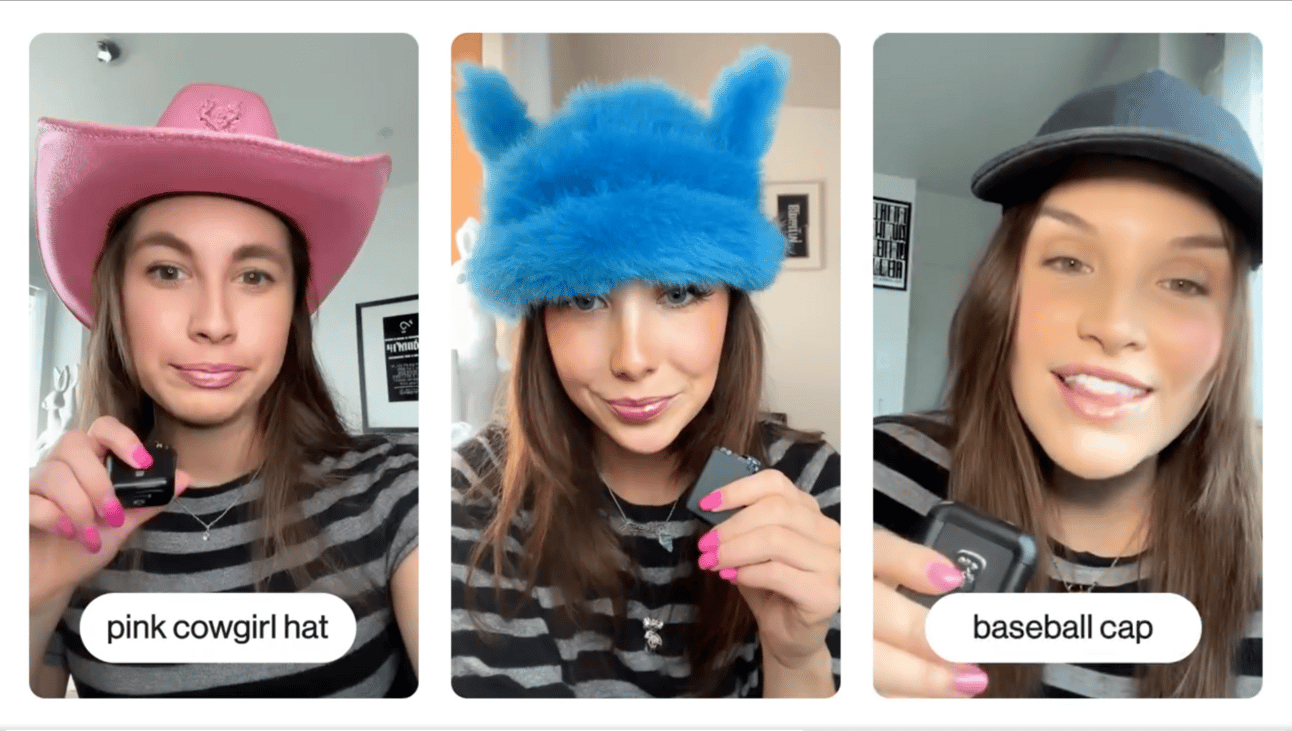
Startup Captions.ai has unveiled Mirage, the world’s first foundation model for generating ultra-realistic talking videos in user-generated content (UGC) style.
With only a script, audio clip, or a short text prompt, Mirage can create a video of a person speaking – complete with natural facial expressions and body language – even though that “person” doesn’t exist.
This goes far beyond traditional lip-syncing tech. Previously, AI video tools could dub audio over an actor’s footage, often yielding awkward results (the lips move, but the face and gestures feel off).
Instead, Mirage generates the speaker from scratch so the voice, lip movement, facial expressions, and background align coherently. In short, it’s like conjuring a realistic virtual spokesperson to deliver your message.
Marketing in the Age of AI “Influencers”
The marketing implications are significant. Brands can now produce influencer-style testimonials or demo videos on demand without hiring talent or film crews. Captions highlight that Mirage lets you skip the usual months of outreach and contracting for live influencers – you can spin up a convincing promo video in minutes.
Need a peppy product review video for social media? Provide a script (or even let the AI generate one), and describe the on-screen persona (age, style, setting). Mirage will deliver a polished clip with a “person” enthusiastically talking about your product.
The model even supports 29+ languages, so marketers can localize content and reach different markets with authentic-looking videos in each locale.
Fast Creative Turnaround and Flexibility
The early use cases center on advertising. Mirage is rolling out via Captions’ Ad Studio, where brands can repurpose top-performing ads, create fresh concepts, and iterate quickly.
Imagine taking a winning ad script and instantly generating variations with different virtual actors or styles to see which resonates best—a new form of A/B testing for video creative. Moreover, the lack of real actors means unlimited edits and experimentation. Do you want the “spokesperson” to try a different tone or mention a new offer? Just tweak the input and regenerate.
This freedom, however, comes with a new consideration: ensuring audiences continue to feel a sense of authenticity. Marketers must balance the efficiency of AI-generated content with transparency and brand trust. Still, there’s no doubt that tools like Mirage signal a shift in social marketing, where the familiar face talking up a brand might just be AI-generated.