

The First Image Model That Actually Works For Marketers
The one thing you need to know in AI today | AI Ready CMO

If you can get past the name—and I admit, it requires some effort—Google’s launch of Nano Banana Pro yesterday represents the most significant leap in image generation fidelity we have seen to date. Google quietly integrated its massive Gemini 3 reasoning capabilities directly into the pixel generation process, and it shows.
After spending the day with it, I can confidently say: this is the first image editing model that just works. No caveats, no “it’s pretty good for AI.”
For marketers, the “almost right” problem has been the defining frustration of the AI era. Often, you generate something (or find a stock photo, God forbid) that’s almost right. The model is holding a coffee cup, but you need them holding your product. The setting is perfect except for one detail. The vibe is there, but the execution isn’t. Until now, that meant Photoshop work. Or more likely, it meant settling for “almost right” because nobody had time or budget for proper retouching. (Not to mention a photo shoot. In this economy?)

Nano Banana Pro solves this by allowing you to combine up to 14 reference images and maintain the likeness of up to 5 distinct characters or products within a single scene. This means you can take your actual product, drop it into a generated environment, and have it look right at the first try. It handles the tasks that used to require hours of Photoshop work like eating the product, holding the product, wearing the product—basically taking existing images and making surgical edits without breaking everything else.
But the real leap here isn’t just the visuals; it’s the research.
Because the model is tethered to Gemini 3’s reasoning engine and Google Search, it doesn’t just draw what you tell it to; it figures out what to draw.
I tested this today by asking for a cartoon map of the UK displaying the most popular park runs. I didn’t provide the data. The model researched the locations (from here), verified the popularity, and generated this infographic in seconds:
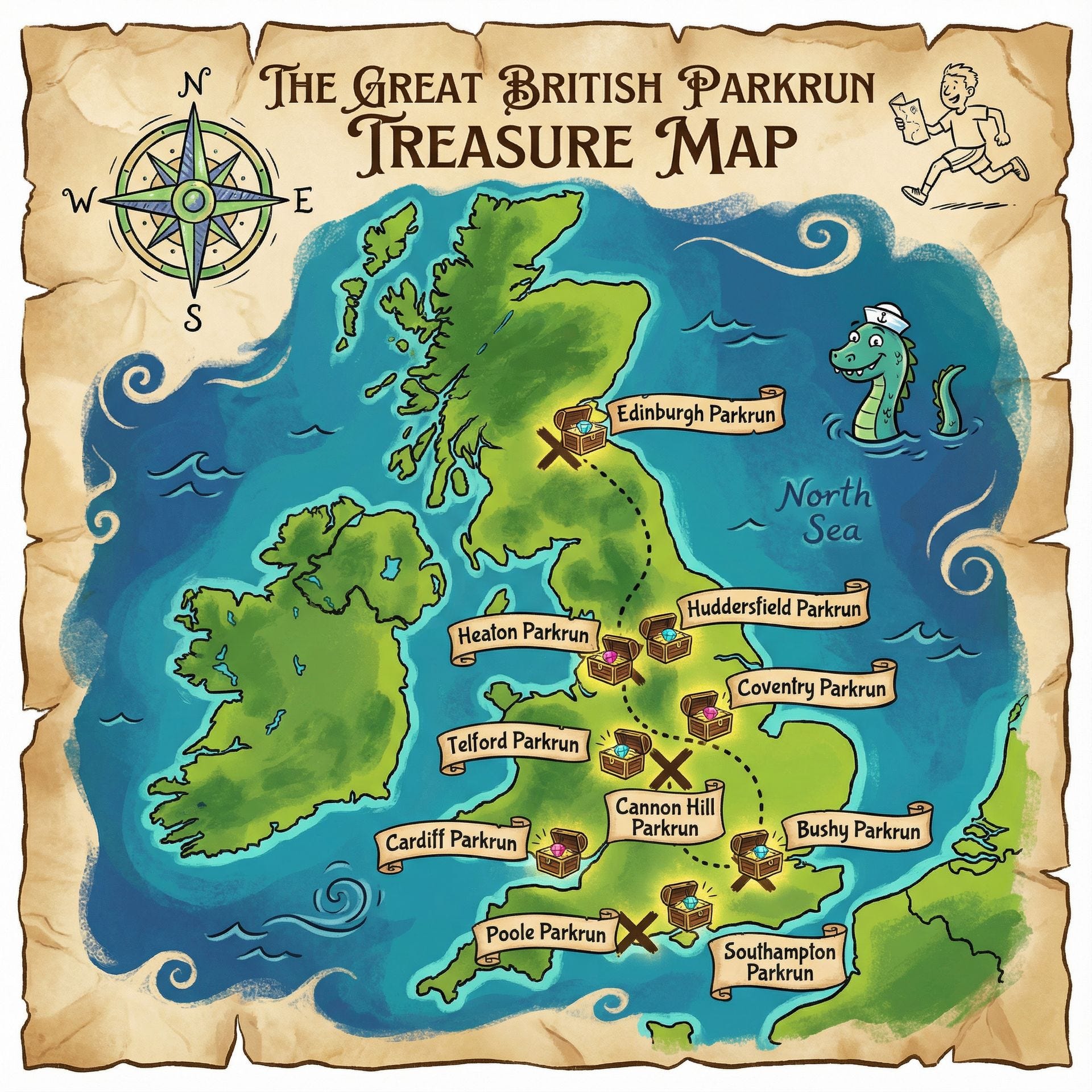
Previous models would have given you a map of a fictional country with gibberish labels. Nano Banana Pro gives you accurate data rendered in excellent, legible fonts.
Expect your LinkedIn feed to be flooded with these infographics by Monday (for better or worse).
The model is available now if you’re using Gemini, though Google’s servers are clearly struggling with demand—I couldn’t get it working there. It runs smoothly in Freepik, which remains an underrated platform for this kind of work. Free users get limited generations before reverting to the standard Nano Banana model; paid subscribers (Google AI Pro, Plus, or Ultra) get higher limits.
We’ve been talking for months about how image and video models are changing creative workflows. Nano Banana Pro doesn’t fundamentally change what is possible, but the leap in quality and reliability is significant enough that it will dramatically cut iteration time.
Gemini 3 is the best overall LLM today. Nano Banana Pro is the best overall image model. Welcome back to the game, Google.
3 AI Marketing Tools To Try Today
Wispr Flow
Dictate thoughts at conversation speed with perfect accuracy—Wispr Flow transcribes three times faster than typing, capturing your ideas without friction.
AdCreative
Generate high-converting ad creatives in seconds—AdCreative AI produces hundreds of variations optimized for performance, not just aesthetics.
Pictory
Transform long-form content into short videos automatically—Pictory extracts key points from articles or recordings, adds visuals and captions, and creates social-ready clips in minutes.