

Record CMO hiring, zero mention of AI
The one thing you need to know in AI today | AI-Ready CMO


We don’t envy anyone taking a CMO job in 2025.
On the surface, the numbers in the “2025 CMO Moves Report” from Taligence look like a gold rush: 501 global CMO appointments in 2025, up a staggering 61.6% from the previous year. Companies are finally opening their wallets for marketing leadership again, with international hiring exploding by 145.8% and even conservative sectors like financial services jumping 93.3%.
But before you update your LinkedIn headline, consider the fine print. These roles are being designed as “pressure cookers”: positions that demand general-manager-level ownership of growth and enterprise operations, yet offer the political authority of a mid-level brand manager. The report calls it an “authority gap”. We call it a recipe for a very public, very expensive tenure.
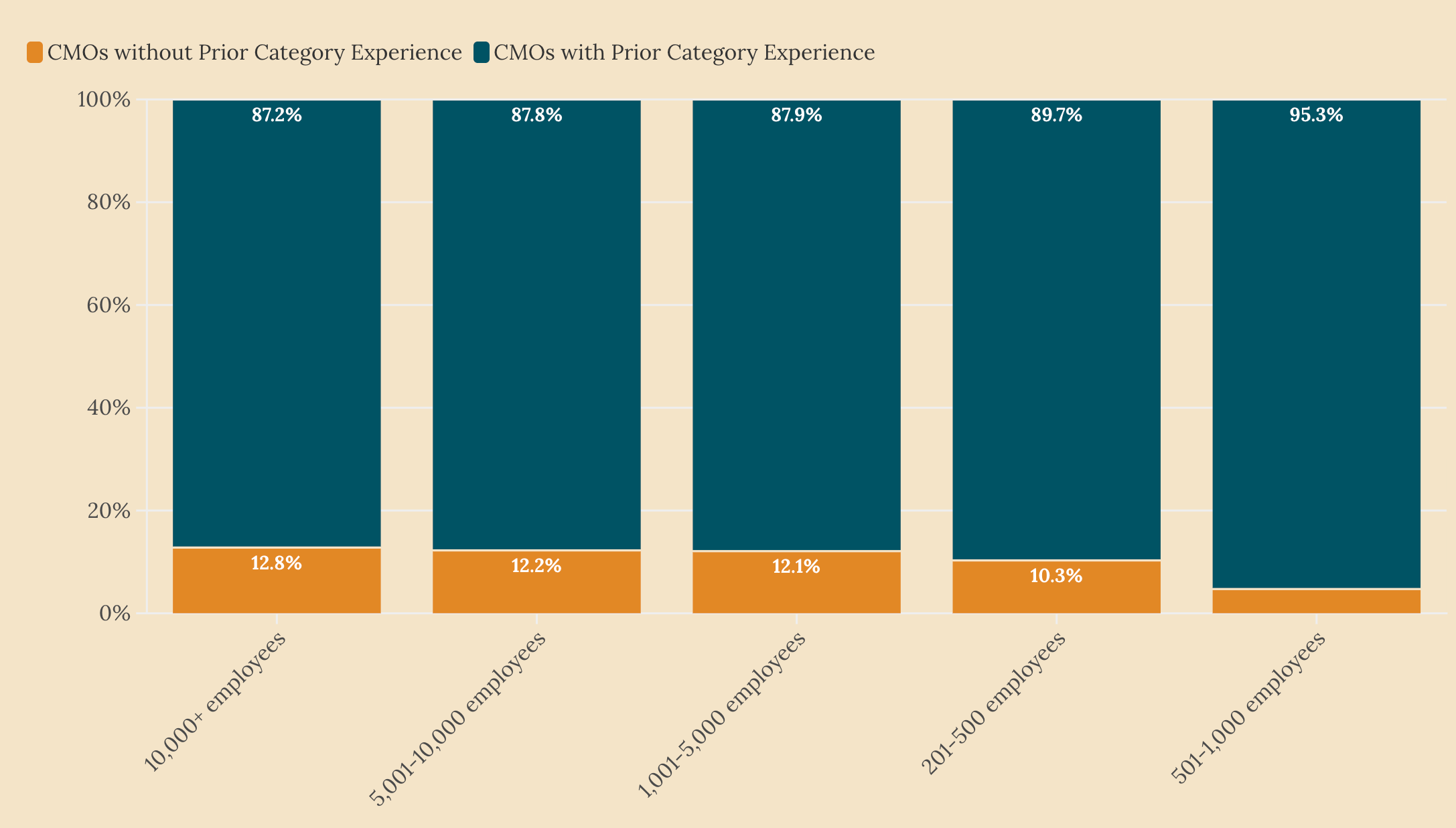
While job postings wax poetic about “transformational leadership” and “cross-functional orchestration,” the actual hiring is comically risk-averse. Cross-industry mobility collapsed to just 10.2%, and agency-to-brand transitions have become practically extinct at 4.2%.
Boards say they want disruptors, then they hire the same profile with 25.4 years of experience in the exact same category. The MBA remains a gatekeeping signal. If you’re looking for fresh perspective, this isn’t it.
Now for the part that makes no sense: AI isn’t mentioned once.
Not in the job requirements, not in the skills analysis, not in the strategic priorities. In a year where generative AI has fundamentally altered content production, attribution modeling, and customer journey orchestration, 501 CMO job postings somehow managed to avoid the topic entirely.
Either companies are treating AI fluency as “table stakes” so basic it doesn’t need listing (doubtful), or—and more likely—hiring managers literally do not know how to evaluate AI capability in executive candidates (and no, they do not).
The meta-pattern worth also watching: the rise of player-coach profiles from product and growth marketing backgrounds, combined with the 61.6% of postings demanding marketing ops and dashboard ownership, suggests companies increasingly view the CMO as a technical operator who also happens to own the brand. AI is commoditizing tactical execution (explaining the agency decline and the de-emphasis on pure performance marketing), while the human layer—brand positioning, cross-functional navigation, stakeholder politics—remains where CMOs are expected to add value. But "expected" is doing a lot of work in that sentence.
More scope, same (or less) authority.
If you're one of the 43.5% of first-timers taking the plunge this year, make sure you ask how much of the stack you'll actually control before you sign.
— Torsten and Peter
AI and the Future of Marketing
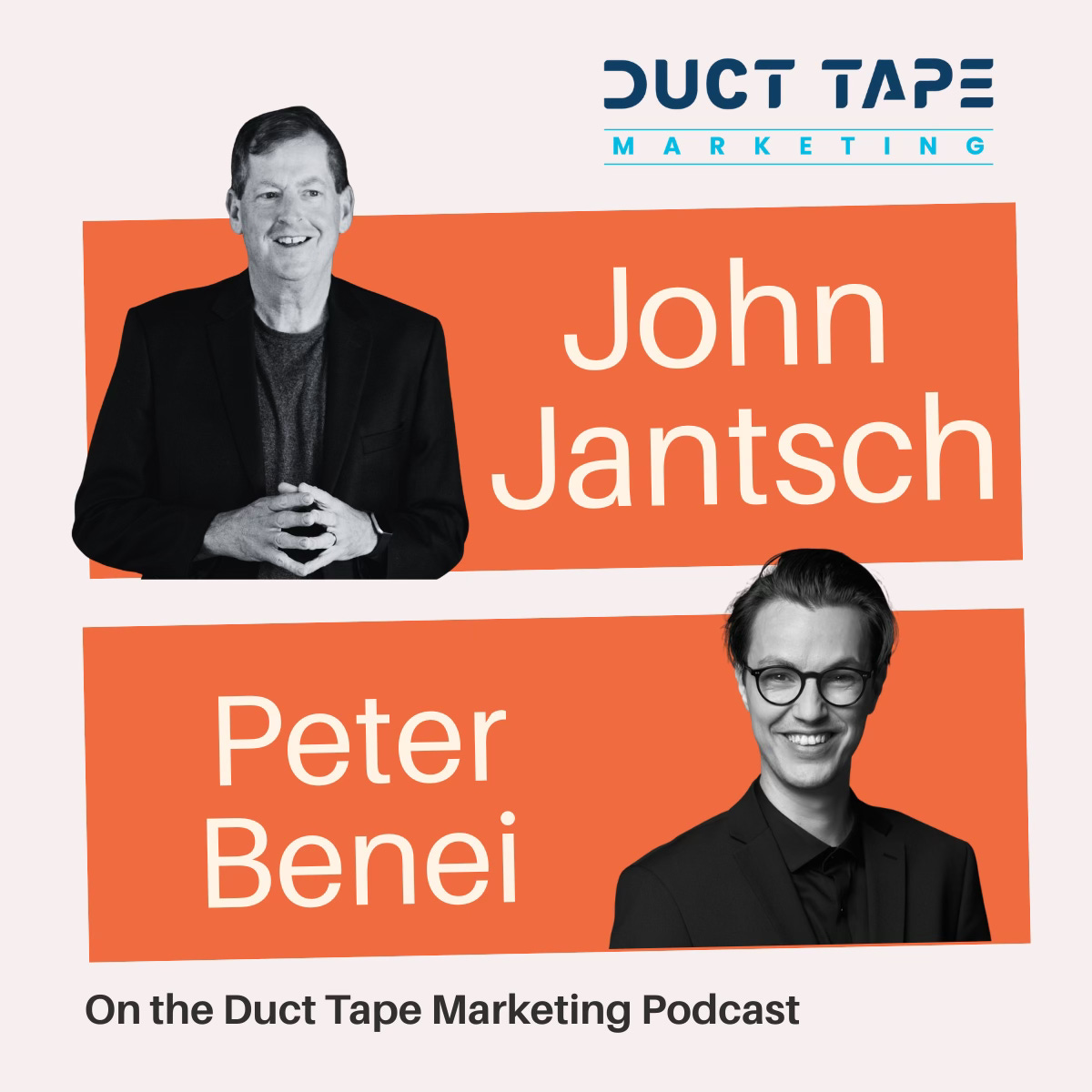
I joined John Jantsch on the Duct Tape Marketing Podcast to talk AI and marketing leadership.
Three things we covered:
Content production is automating. Taste and judgment are the new barriers.
The CMO role is shifting from task delegation to workflow orchestration.
Liberal arts skills (critical thinking, aesthetic judgment) beat technical specialization in the AI era.
» Listen & watch the episode here.
John’s a long-time subscriber. His questions were smart and practical, exactly what senior marketers need. He is also leading an amazing training on how to build a profitable fractional CMO service. You can sign up for the program here.
Want us on your podcast? We’re open to conversations that serve marketing leaders. Check our collaboration option.
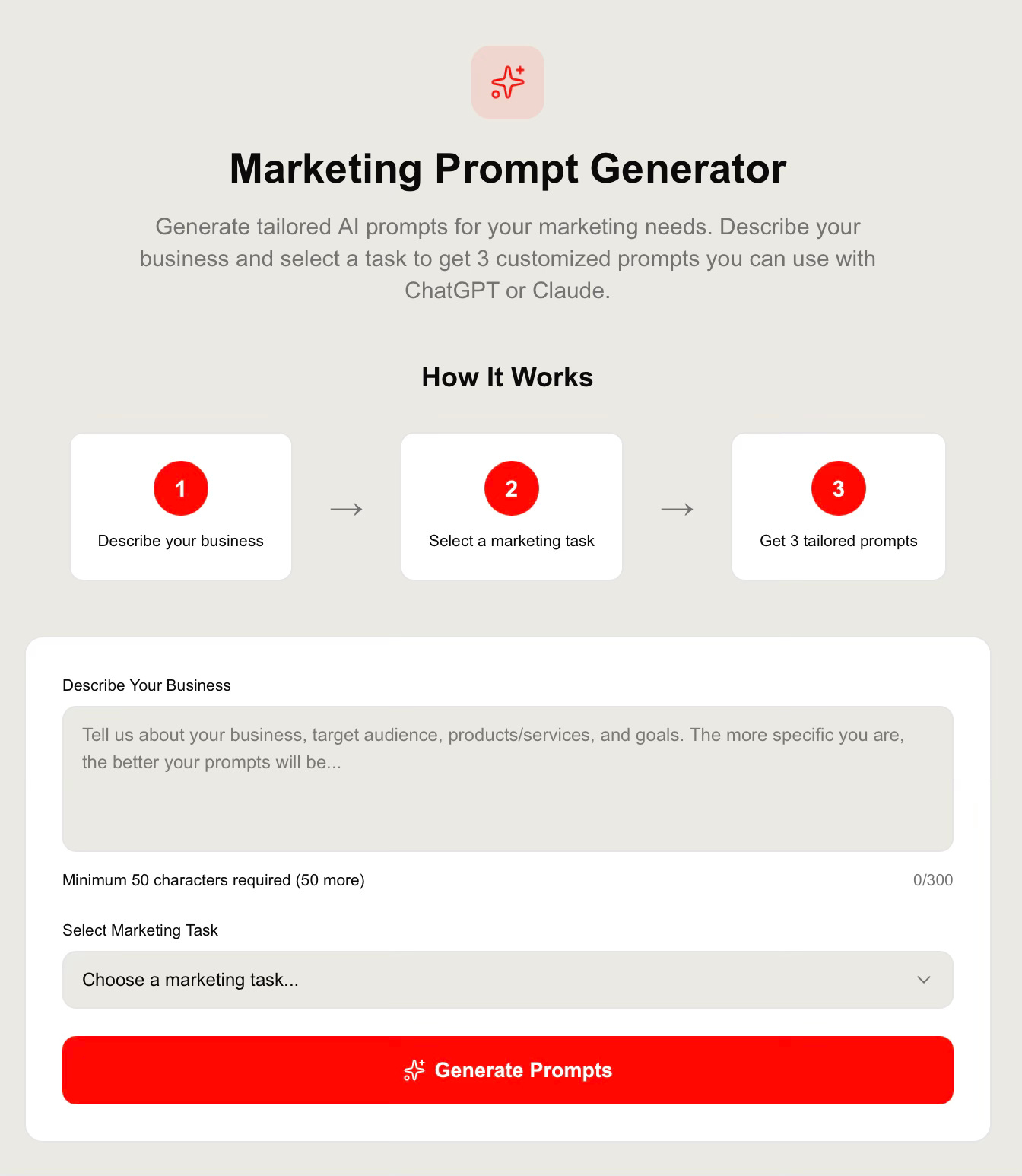
Stop Wrestling with ChatGPT. Get Better Prompts Instantly.
The free Marketing Prompt Generator is built for marketers who don’t have time to waste.
Most marketers spend more time fixing bad AI outputs than they save using AI in the first place. Generic prompts give you generic results—and you end up rewriting everything anyway.
This tool gives you expert-level prompts for any marketing task.
Available for AI-Ready CMO paid subscribers.