

Canva Wants to Replace Your Martech Stack
The one thing you need to know in AI today | AI Ready CMO

Everyone’s writing about Canva’s new “design model” this week. It’s their first proprietary AI trained specifically on design principles, and yes, it’s legitimately impressive—understands layers, generates editable content, the whole professional toolkit compressed into a prompt.
But you’re being misdirected. The real story is Canva Grow.
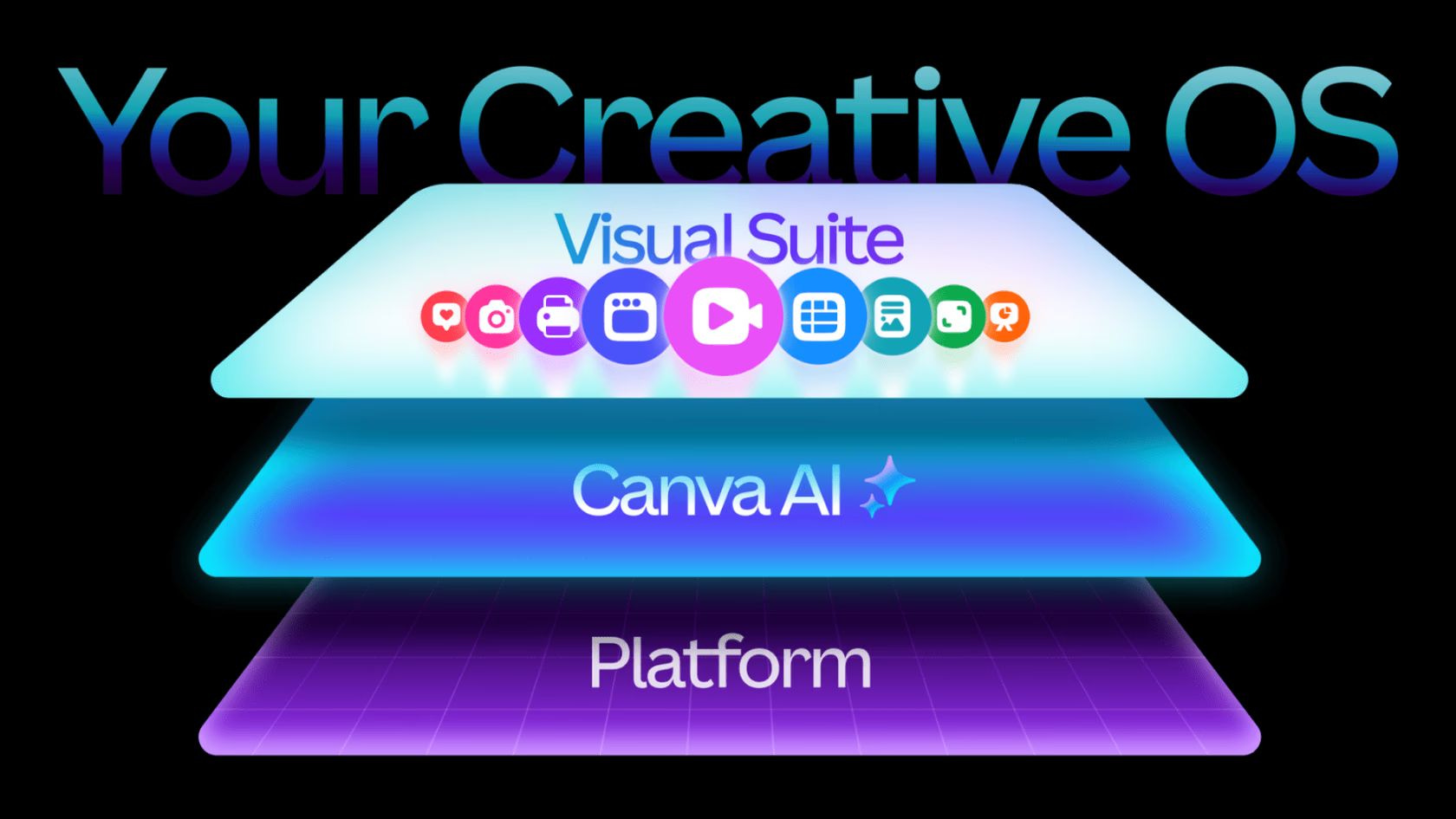
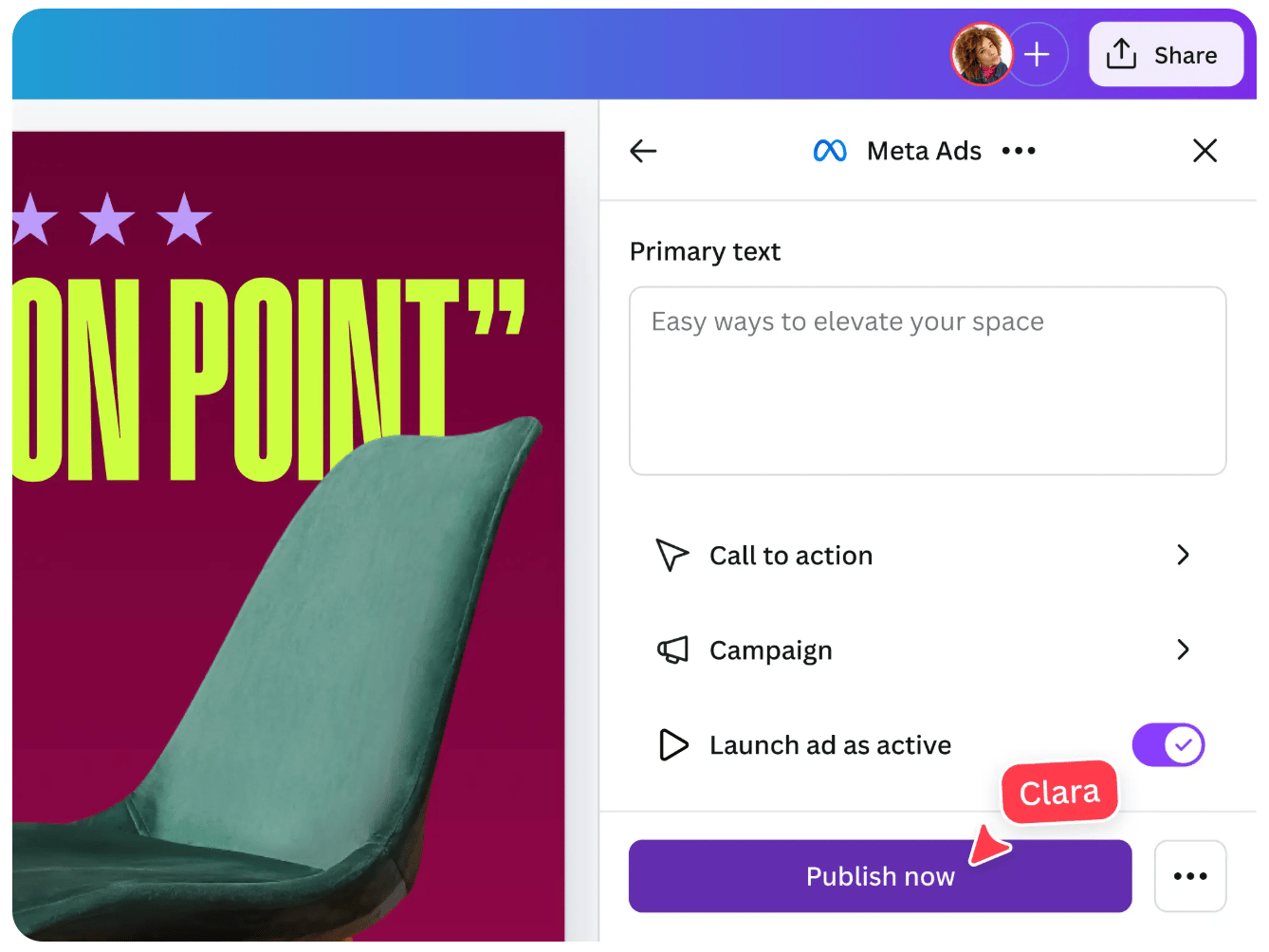
It is a full-stack marketing platform that lets you ideate, create, publish, and analyze ad campaigns without leaving Canva. It scans your website to learn your brand, generates multiple ad variants, publishes directly to Meta (more platforms coming), and feeds you performance insights with AI-powered recommendations. It’s effectively trying to replace your design tool, your creative brief process, your ad creation workflow, your campaign management platform, and your analytics dashboard in one move.

This is the martech consolidation play we’ve been watching agencies attempt and mostly fail at. What tools does this potentially replace? Your design platform (obviously), your stock asset library, your brief-to-creative workflow, parts of your ad platform, your performance tracking, maybe even chunks of your agency relationship. For a mid-sized brand spending $15K-30K/month across these categories, Canva’s pitching a $500/month solution. The math is compelling even if the execution is only 70% there.
Now, we’ve seen this “super app” pattern before. One platform tries to do everything and ends up mediocre at most things. Remember when Salesforce wanted to be your entire business? When HubSpot wanted to replace your entire marketing stack? The all-in-one promise is seductive until you realize the email tool is clunky, the analytics are shallow, and you’re locked into a walled garden that makes switching costs painful. If you’ve ever tried to build a custom landing page in Salesforce you know it’s not “the future”—it is a gigantic pain-in-the-ass.
Canva Grow could easily be that. A decent ad generator bolted onto a design tool, with analytics that look impressive in a demo but can’t match what you get from actual campaign platforms. We won’t know for months whether the AI-powered insights are genuinely useful or just another dashboard you’ll ignore.
What Canva has that Adobe and the agency holding companies don’t: goodwill. While Adobe spent the last year fighting creators and justifying subscription price hikes, Canva just made their professional design suite (Affinity) free forever. While WPP is trying to convince brands to buy Open Pro at premium prices, Canva is already embedded in 95% of Fortune 500 companies, serving 260 million users who mostly trust them.
That matters more than the tech specs. Consolidation only works if people actually want to consolidate around you. Canva’s earned that consideration in a way most competitors haven’t.
The question isn’t whether Canva Grow’s features are perfect—they won’t be at launch. The question is whether the value proposition (unified workflow, lower cost, good-enough quality) beats the alternative (juggling six platforms, higher costs, best-in-class tools that don’t talk to each other). For a lot of marketing teams, especially those without dedicated creative ops, that calculation might work.
So: are you currently managing creative across multiple platforms? What would it take for you to consolidate? And more importantly—what would you lose?
3 AI Marketing Tools To Try Today
Surfer SEO
Optimize content for search without guesswork—Surfer SEO analyzes top-ranking pages and gives you exact guidelines to outrank competitors.
Descript
Edit video and audio like a document—Descript removes filler words, fixes mistakes, and generates transcripts automatically for faster content production.
AdCreative AI
Generate high-converting ad creatives in seconds—AdCreative AI produces hundreds of variations optimized for performance, not just aesthetics.