

69% of workers hide their AI use. Now what?
The one thing you need to know in AI today | AI Ready CMO


Quick thought experiment: how many people on your team are secretly using Claude or ChatGPT right now? According to Anthropic’s new study of 1,250 professionals, the answer is probably “most of them.”
They’re just not telling you.
The main reason, believe it or not, is shame. 69% of workers say there’s social stigma around using AI at work. One fact-checker in the study put it perfectly: “A colleague recently said they hate AI and I just said nothing. I don’t tell anyone my process because I know how a lot of people feel about AI.”
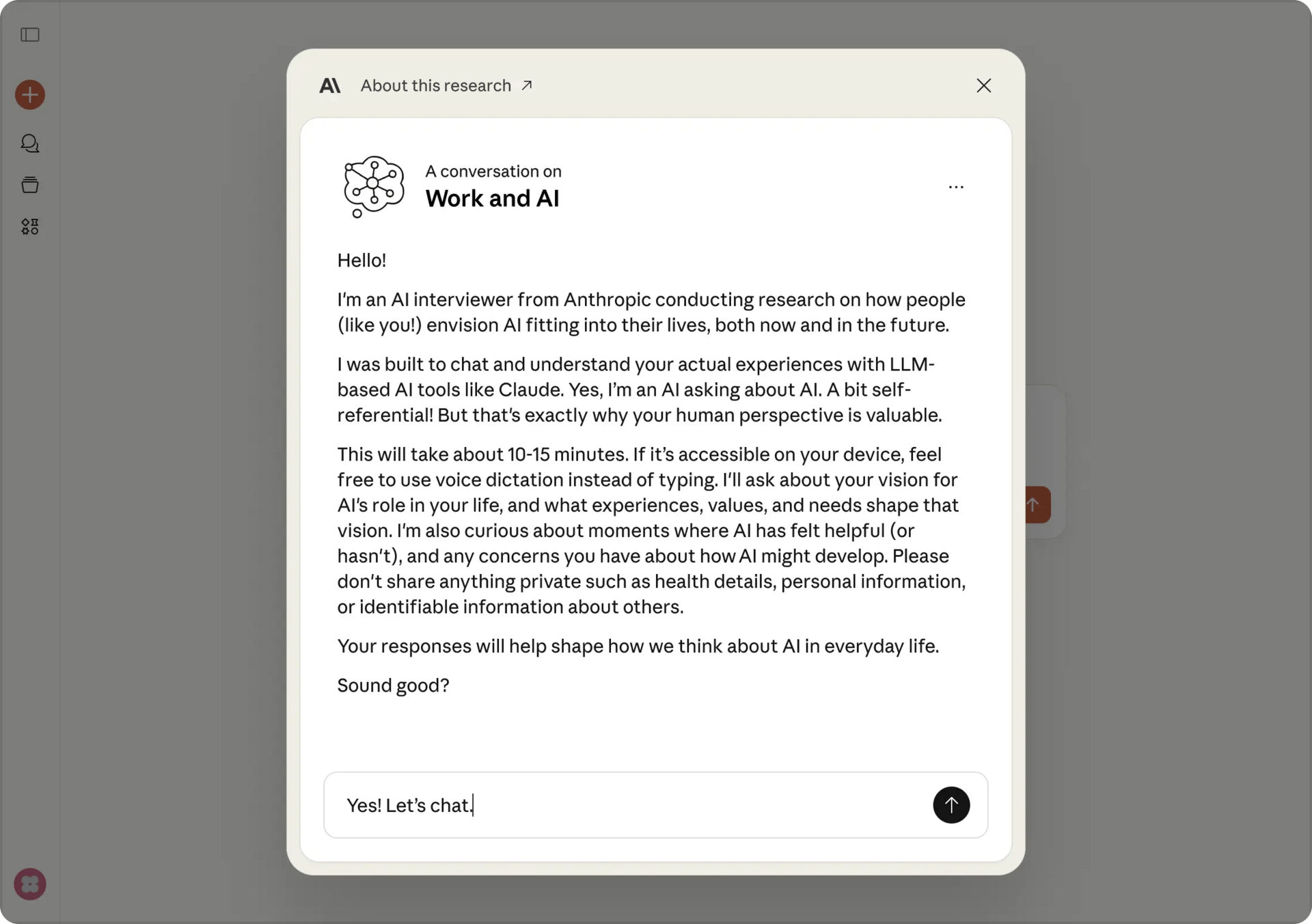
This is the reality in most organizations right now. People are quietly getting a 2-3x productivity boost while publicly pretending they’re still doing things the old way. If you don’t have clear AI policies and guidelines, that shadow usage is happening with your proprietary data, your customer information, and your competitive intelligence.
This points to a bigger leadership problem. If 69% of your team feels stigma about AI use, that’s not a them problem—it’s a management failure. Someone needs to model this openly and create psychological safety around experimentation.

The numbers for creatives are even more striking. 97% say AI saves them time. One web content writer went from 2,000 words of polished content per day to 5,000. A photographer cut turnaround from 12 weeks to 3. But 70% of creative professionals say they’re actively managing peer judgment about their AI use. As one map artist explained: “I don’t want my brand and my business image to be so heavily tied to AI and the stigma that surrounds it.” They’re reaping the benefits while hiding the process—a recipe for inconsistency and risk.
What’s interesting is that creatives are also more anxious about the long game. While general workforce professionals mostly worry about looking lazy, creative professionals worry about obsolescence. A voice actor noted that “certain sectors of voice acting have essentially died due to AI.” A creative director was blunter: “I fully understand that my gain is another creative’s loss. That product photographer that I used to have to pay $2,000 per day is now not getting my business.” The productivity gains are real, but so is the knowledge that those same gains might eventually apply to them.
48% of respondents are already thinking about transitioning to roles focused on managing and overseeing AI systems rather than doing the work themselves. The question is whether you’re actively reshaping roles and training people for that future, or whether you’re letting it happen chaotically while everyone pretends nothing has changed.
The lesson here isn’t about the stigma itself—that will fade as AI becomes normalized. The lesson is operational. If you’re not actively bringing AI usage into the open with clear guidelines and training, you’re running a dual risk: your cautious employees are falling behind competitors, and your aggressive employees are potentially exposing company data to third-party models.
Neither is a good outcome.
3 AI Marketing Tools To Try Today
VidIQ
Grow your YouTube channel with AI-powered insights—VidIQ suggests trending topics, optimizes titles and tags, and analyzes competitor strategies to boost views.
RankPrompt
Discover what prompts actually work for your use case—RankPrompt tests prompt variations, ranks results, and shows you the highest-performing combinations.
n8n
Unlock seamless workflow automation for your marketing team—n8n connects all your tools and streamlines processes effortlessly.